Pediatric Preventive Dentistry in Falmouth, ME
Cleanings, fluoride, sealants, and routine care that grow with your child
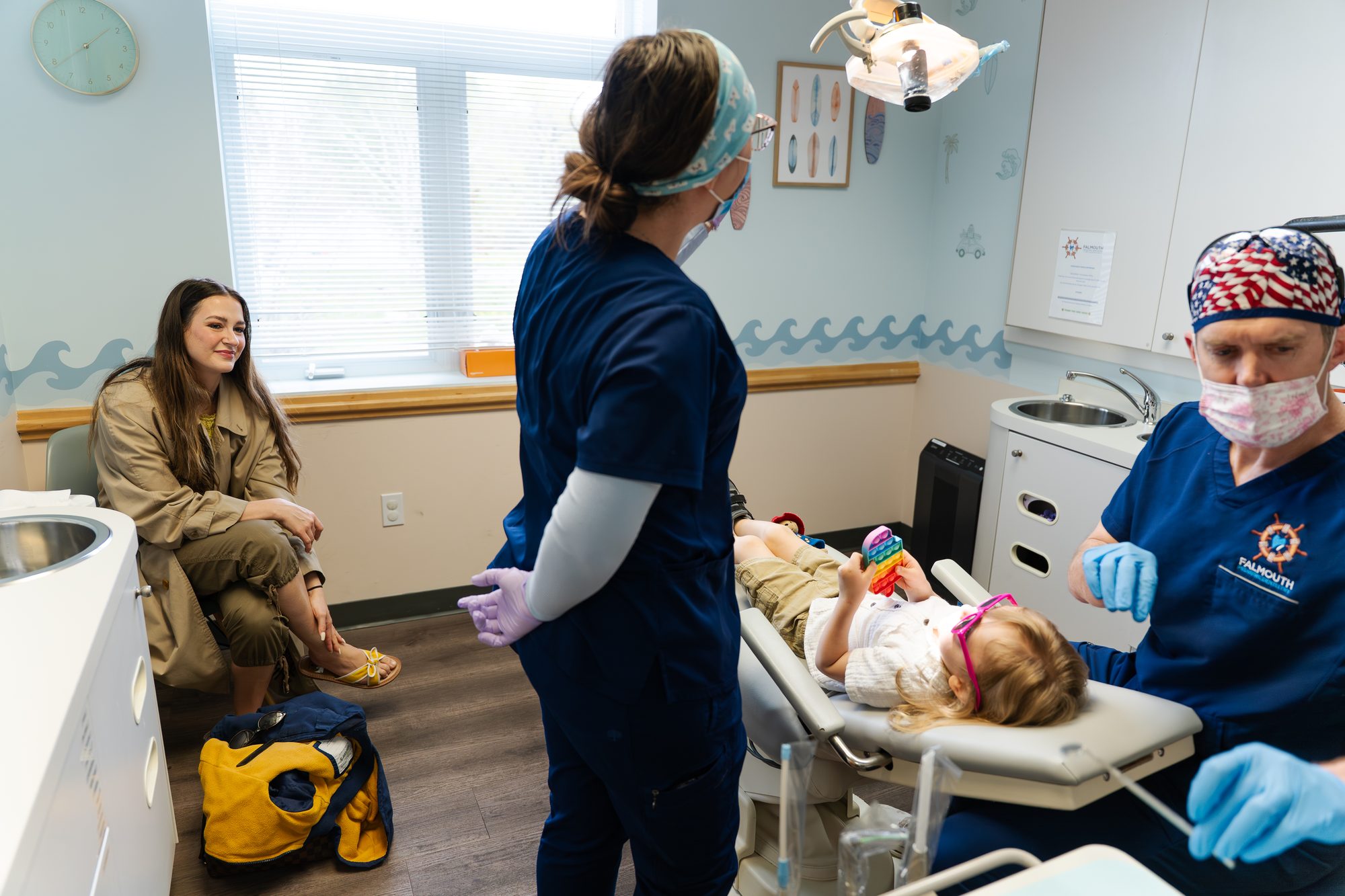
At Falmouth Pediatric Dentistry, Dr. John M. Willis, DDS, provides preventive care for children from their first tooth through age 10. Routine visits may include dental cleanings, exams, fluoride treatment, sealants, cavity-risk guidance, and monitoring of your child’s developing bite.
What happens at a pediatric preventive dental visit?
Reviewed by Dr. John M. Willis, DDS, board-certified pediatric dentist. Last reviewed September 2026.
A preventive visit combines cleaning, examination, and cavity-prevention guidance in one appointment.
Depending on your child’s age and needs, the visit may include:
- A professional dental cleaning
- Your child’s choice of polishing paste flavor
- “Mr. Thirsty,” our kid-friendly name for the suction straw
- An exam with Dr. Willis
- Digital x-rays when they’re clinically needed
- Fluoride treatment
- Brushing and flossing guidance based on your child’s age
- Tips for parents on cavity prevention and home care
- A trip to the prize bin and a goody bag before heading home
Many children benefit from preventive dental visits about every 6 months. Children with higher cavity risk or specific dental needs may need to be seen more often. Dr. Willis will recommend the schedule that fits your child.
Dental sealants help protect hard-to-brush molars
The grooves on back teeth can be difficult for a toothbrush to clean completely. Dental sealants are thin protective coatings placed over those grooves to help keep food and cavity-causing bacteria out. Sealants are commonly recommended when permanent molars come in, often around:
- Age 6 for first permanent molars
- Age 12 for second permanent molars
The American Dental Association reports that sealants can significantly reduce the risk of cavities in permanent molars. Placement is typically quick and doesn’t require drilling or numbing. Dr. Willis will check your child’s sealants during routine visits and let you know if one needs to be repaired or replaced.
Fluoride helps strengthen developing teeth
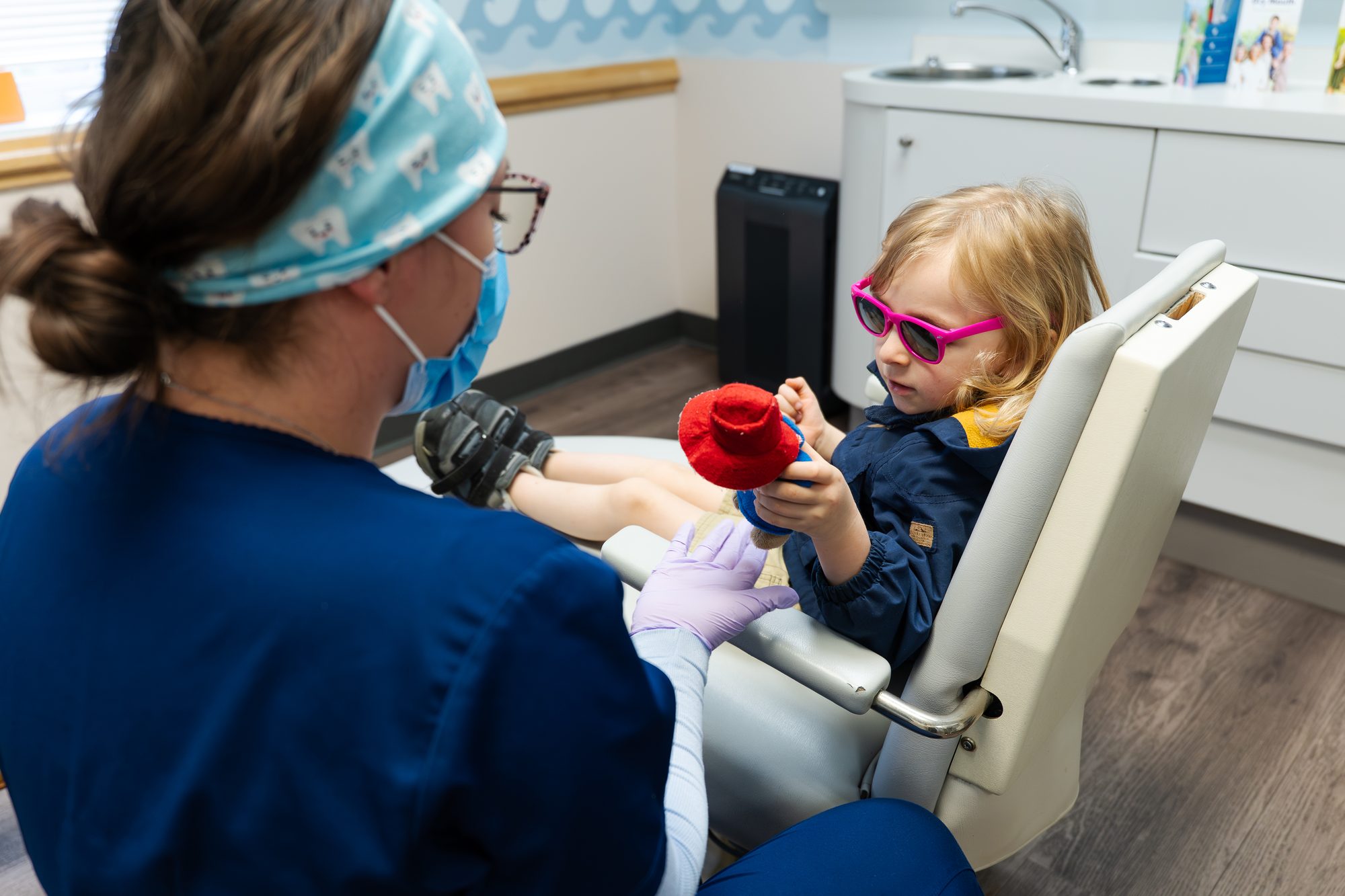
Fluoride helps strengthen tooth enamel and can help protect teeth from cavities. At Falmouth Pediatric Dentistry, professional fluoride treatment may be applied at the end of a cleaning based on your child’s age and cavity risk. Your child can choose from available flavors.
At home, current dental guidance generally recommends:
- Under age 3: A smear of fluoride toothpaste about the size of a grain of rice
- Ages 3 to 6: A pea-sized amount of fluoride toothpaste
Young children should brush with adult supervision to help limit swallowing toothpaste. If you’re unsure whether your home water supply contains fluoride, ask us. That information can help Dr. Willis tailor your child’s home-care recommendations.
Practical nutrition advice for healthier teeth
You don’t need a perfect diet to help protect your child’s teeth. Preventive visits are a chance to look at the small habits that can make a meaningful difference. Our team may talk with you about:
- Frequent snacking between meals
- Juice and sweetened drinks
- Sticky snacks that stay on teeth longer
- Bedtime bottles
- Nighttime feeding habits
- Water between meals
- Tooth-friendly snack options
The goal isn’t to overhaul your family’s routine. We’ll look at what your child actually eats and drinks and suggest realistic changes that can help lower cavity risk.
Routine visits also track jaw and bite development
Preventive care isn’t only about cavities. Dr. Willis also watches how your child’s teeth, jaws, and bite develop over time. Routine exams may help identify concerns such as:
- Thumb-sucking or prolonged pacifier habits
- Early loss of a baby tooth
- Crowding as permanent teeth begin to erupt
- Crossbites
- Space loss
- Other developing bite concerns
If a concern needs closer attention, Dr. Willis can explain whether monitoring, a space maintainer, early orthodontic treatment, or a future orthodontic evaluation may be appropriate.
What happens if Dr. Willis finds a cavity?
Finding a cavity early can sometimes give your child more treatment options. Dr. Willis recommends treatment based on:
- How large the cavity is
- Whether it’s active
- Which tooth is affected
- Your child’s age
- How long the tooth is expected to remain
- Your child’s comfort and cooperation
For some early cavities, minimally invasive options such as silver diamine fluoride may be considered. Other cavities may need a filling or another restorative treatment. Dr. Willis will explain what he sees, what the options are, and why he recommends a particular approach.
When does my child need dental x-rays?
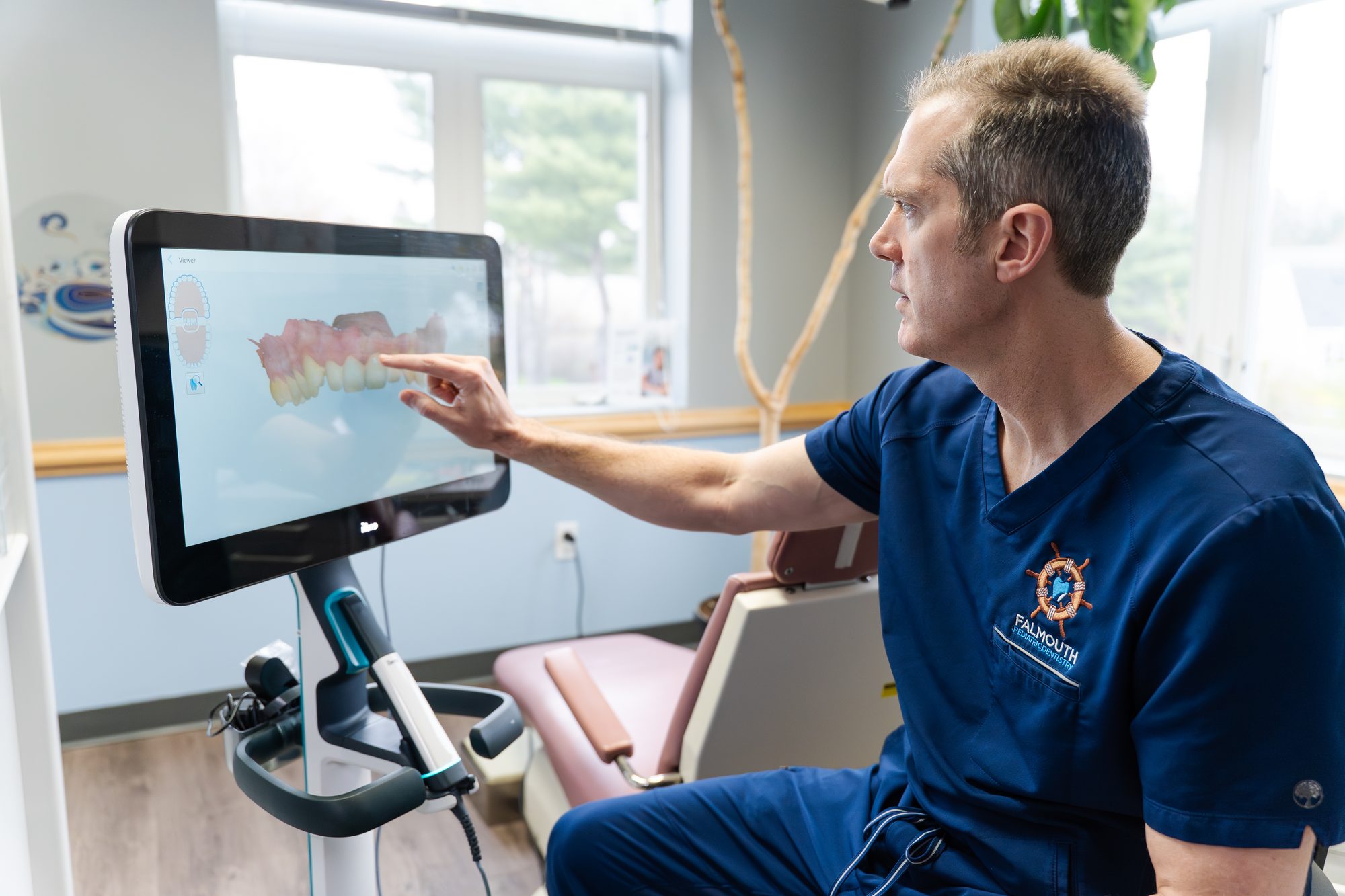
Dental x-rays aren’t taken based on age alone. Dr. Willis recommends x-rays when they can provide information that isn’t visible during the exam, such as what’s happening between closely spaced teeth or below the gumline.
Your child’s x-ray schedule may depend on:
- Cavity history
- Cavity risk
- How closely the teeth touch
- Dental development
- Symptoms
- Previous dental treatment
We use digital dental x-rays, which provide images quickly and use a low level of radiation.
Insurance and payment for preventive dental care
Dental coverage varies by plan, so our team can help you understand your benefits before your child’s visit.
Falmouth Pediatric Dentistry:
- Is in-network with Delta Dental
- Works with other dental insurance carriers
- Accepts MaineCare
- Accepts cash and checks
- Accepts most major credit cards
- Offers CareCredit
Routine exams, cleanings, fluoride, sealants, and x-rays may be covered differently depending on your plan. Our team can verify available benefits and submit claims on your behalf.
Parents are sharing
the good news
 200+ 5-Star Reviews
“

“Dr. John has seen my daughter for the past three years and has been amazing at every visit. My younger kids started out struggling with dental visits, and now they actually look forward to going.”
– Catherine B.
“
“FPD has always done a great job of making teeth cleanings feel positive for my kids. Now at 12, they haven’t developed any nervousness about dental visits.”
– Jannette T.
“
“A great experience at every visit. The hygienist was friendly, and Dr. John is wonderful with kids.”
– Anne H.
“
“Very kind, compassionate, and professional. They did a great job cleaning my children’s teeth.”
– Heidi C.
Questions parents ask about pediatric preventive dental care
How often should my child see the dentist?
Many children benefit from a dental checkup about every 6 months. Some children with a higher risk of cavities or other oral health needs may need more frequent visits. Dr. Willis will recommend a schedule based on your child’s individual needs.
Are dental sealants safe for kids?
Dental sealants have been used for decades and are widely recommended as a way to help prevent cavities in the grooves of permanent molars. They’re applied directly to the chewing surface of the tooth and typically don’t require drilling or numbing. Dr. Willis can tell you whether your child’s molars are good candidates for sealants.
Is fluoride safe for toddlers?
Fluoride can be used safely when the amount is appropriate for a child’s age and needs. For home brushing, current dental guidance generally recommends a rice-grain-sized smear of fluoride toothpaste for children under 3 and a pea-sized amount for children ages 3 to 6. Parents should supervise brushing while children are still learning to spit out toothpaste reliably.
When will my child need dental x-rays?
There isn’t one birthday when every child suddenly needs x-rays. Dr. Willis recommends them based on your child’s cavity risk, dental development, symptoms, and whether certain areas can be fully evaluated during a visual exam.
When should preventive dental care start?
Preventive dental care should begin when your child’s first tooth appears or by their first birthday. Early visits give Dr. Willis a chance to check developing teeth, review brushing and feeding habits, assess cavity risk, and help your child become familiar with the dental office.
Does every child need fluoride and sealants?
Not necessarily. Dr. Willis recommends preventive treatments based on your child’s age, dental development, cavity risk, and individual needs. Some children may benefit from both fluoride and sealants, while others may need a different preventive plan.
Healthy habits now, fewer surprises later
From first teeth to growing smiles, we’ll keep an eye on what’s changing and help you stay one step ahead.
Right here
in Falmouth
Our office is conveniently located in Falmouth, making it easy for local families to visit for pediatric dental and orthodontic care.
VISIT US
6 Fundy Rd. Ste. #200
Falmouth, ME 04105
Monday-Wednesday: 7:30am-4:00pm
Thursday: 7:30am-3:00pm